
Flame-retardant Fabric News
Flame-retardant Fabric News
Smart temperature-controlled textiles
Smart temperature-controlled textiles can intelligently control the temperature of fabrics to enhance the comfort performance of fabrics. Intelligent temperature control textiles c…
Smart color-changing clothing
Intelligent color-changing fibers can automatically undergo reversible color changes as the external temperature continues to change. According to the relevant theory of this intel…
Interpretation of the standard GB/T 5711-2015 “Textiles Color Fastness to Perchlorethylene”
Color fastness to dry cleaning is one of the important indicators for assessing the wearing performance of textiles. GB/T 5711-1997 “Textiles Color Fastness Test – Colo…

How to talk about the advantages and disadvantages of moisture permeability? ——Revealing the secret of moisture permeability numerical labeling
In fact, moisture permeability = vapor permeability ≠ breathability. However, the waterproof and moisture permeable (WeChat: Deco Nano) products currently on the market have moistu…
chicken feather fiber
In response to the international trend of low-carbon economy and green environmental protection, the development and utilization of chicken feather fiber in combination with my cou…
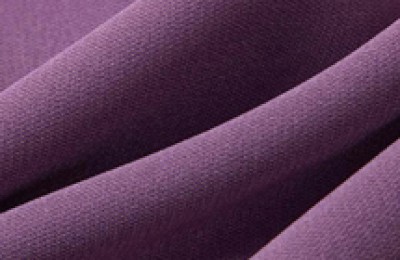
What color clothes should I wear to protect myself from the sun in summer?
In the minds of ordinary people, wearing light-colored clothes in summer is sun-protective and cool, so when summer comes, light-colored clothes are everywhere. Recently, American …

What is brushed fabric
As the name suggests, brushed fabrics form a layer of short velvet on the surface of the fabric through friction, thereby changing the feel and appearance of the fabric. Specifical…

广告
More than half of textile products exported to the EU are at risk of being eliminated
The European Union recently issued new regulations requiring the content of nonylphenol polyoxyethylene ether (NPE) in textile products not to exceed 0.01% (100ppm). The regulatory…
The concept of dyes
Dyes refer to a type of colored substances that are soluble in water or other media and have an affinity for fibers. Dyes are all organic. As a dye, it should meet three conditions…
Classification of dyes
There are generally two classifications of dyes: one is based on the characteristics of the chemical structure of the dye molecules, which is called structural classification. This…